
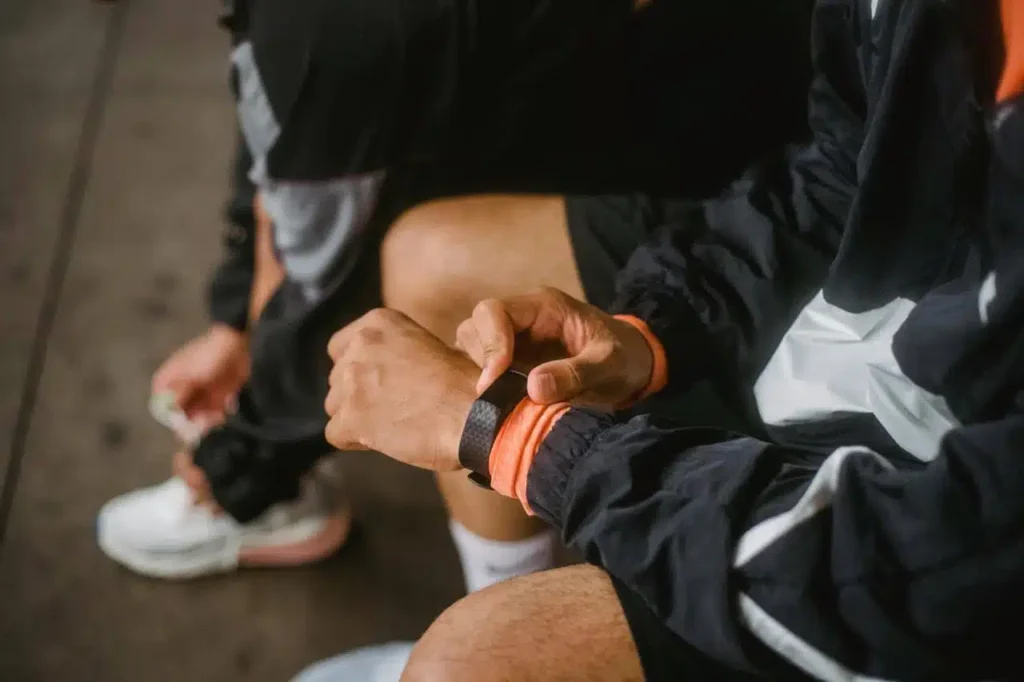

Fitness wearables are everywhere now. Watches track sleep, apps score recovery, and daily readiness numbers quietly influence how people move, rest, and even think about their bodies. While this data can be useful, it can also create anxiety, overcorrection, or a sense that the body cannot be trusted without a screen. In a data-aware city like Singapore, many people arrive on the mat already preloaded with numbers about how they “should” feel.
A grounded hatha yoga practice offers a practical counterbalance. When paired thoughtfully with wearable data such as heart rate variability, it can improve recovery awareness without turning yoga into another performance metric. This article explores how to use HRV data intelligently while keeping hatha yoga human, embodied, and sustainable.
What HRV actually measures in simple terms
Heart rate variability refers to the small variations in time between heartbeats. Contrary to what many assume, more variability generally reflects a nervous system that can adapt well to stress and recovery demands.
In daily life, HRV is influenced by:
-
Sleep quality and consistency
-
Psychological stress
-
Breathing patterns
-
Illness or fatigue
-
Training load and recovery
Low HRV does not mean something is wrong. It simply suggests that the body may be under load and needs a different type of input that day.
The risk of letting numbers override body awareness
Wearable data becomes problematic when it replaces internal feedback. Common patterns include:
-
Skipping movement entirely due to a low readiness score
-
Forcing rest even when the body feels calm and capable
-
Training harder than needed because numbers look “good”
-
Feeling anxious when data fluctuates unpredictably
Hatha yoga is uniquely placed to rebuild trust in bodily signals because it slows perception and reduces noise.
Why hatha yoga pairs well with HRV awareness
Hatha yoga emphasises stillness, breath control, and longer holds. These qualities align closely with nervous system regulation.
Key benefits include:
-
Increased parasympathetic activation through slow nasal breathing
-
Improved interoception, the ability to sense internal states
-
Reduced reliance on external validation
-
Better recovery without complete inactivity
Rather than using HRV to dictate practice, hatha yoga uses it as context.
Using HRV as a guide, not a command
A balanced approach treats HRV like weather information. It informs choices but does not control them.
On lower HRV days
Lower HRV often reflects accumulated stress. On these days, hatha yoga can focus on:
-
Gentle joint movement
-
Longer exhalations
-
Fewer poses with longer holds
-
Reduced transitions
This supports recovery without shutting movement down completely.
On higher HRV days
When HRV is higher, the body may tolerate slightly more load.
Appropriate adjustments include:
-
Slightly longer standing sequences
-
Moderate strength-based holds
-
More active transitions with control
Even then, hatha yoga prioritises precision over intensity.
Breath as the bridge between data and sensation
Breathing patterns directly influence HRV. Slow, controlled breathing increases vagal tone, which supports nervous system balance.
In hatha yoga, breath awareness provides real-time feedback that no wearable can replace.
Helpful cues include:
-
Inhaling smoothly through the nose
-
Extending the exhale slightly longer than the inhale
-
Avoiding breath holding during effort
If breath becomes strained, it is a clear sign to reduce load, regardless of what the data says.
Structuring a hatha practice around recovery signals
Instead of changing poses every day, change emphasis.
Grounded days
When recovery feels low:
-
Seated poses
-
Supported forward folds
-
Supine spinal twists
-
Minimal balance challenges
The intention is restoration, not passivity.
Steady days
When energy feels stable:
-
Standing poses with longer holds
-
Focus on alignment and muscle engagement
-
Moderate balance work
The goal is strength without stress accumulation.
Exploratory days
Occasionally, when both data and sensation align:
-
Introduce new variations
-
Increase hold duration slightly
-
Explore deeper awareness, not deeper range
This maintains adaptability without overload.
Common wearable misconceptions in yoga practice
Understanding what HRV does not mean is just as important.
-
A single low reading is not failure
-
HRV naturally fluctuates with life demands
-
Yoga effectiveness is not measured by calorie burn
-
Recovery does not always mean lying still
Hatha yoga teaches patience, which helps neutralise these misconceptions.
A 20 minute hatha structure aligned with HRV awareness
This adaptable framework works regardless of daily scores.
Phase 1, arrival and breath (5 minutes)
-
Seated breathing
-
Gentle neck and shoulder release
Phase 2, controlled movement (10 minutes)
-
Cat cow with slow pacing
-
Low lunges with upright torso
-
Standing side bends
Phase 3, integration (5 minutes)
-
Supported rest pose
-
Calm nasal breathing
Adjust intensity within each phase rather than changing the structure.
Long-term benefits of blending data with embodied practice
Over time, this approach helps practitioners:
-
Recognise early signs of fatigue
-
Reduce injury risk from overtraining
-
Improve sleep quality through nervous system regulation
-
Maintain consistency without burnout
The body learns to self-regulate rather than depend on constant monitoring.
Practising with guidance rather than metrics
A guided studio environment helps shift focus from screens to sensation. Practising at Yoga Edition supports this transition by emphasising alignment, breath, and intelligent pacing rather than performance data.
Real-life FAQ
Q: Should I skip yoga if my HRV is low?
A: Not necessarily. Low HRV often signals a need for gentler movement, not complete rest. Hatha yoga can support recovery when intensity is adjusted.
Q: Can hatha yoga actually improve HRV?
A: Consistent breath-led practice often improves HRV trends over time by supporting nervous system balance, though results vary by individual.
Q: Is it bad to check my wearable before practice?
A: Checking is not harmful, but letting the data override body sensation can be. Use it as background information rather than a decision maker.
Q: How long should I practise on recovery-focused days?
A: Shorter sessions of 15 to 25 minutes are often more effective than long practices when recovery is low.
Q: Can beginners use HRV with yoga?
A: Yes, but simplicity matters. Focus on breath quality and comfort rather than interpreting every data point.
Q: What if my wearable data conflicts with how I feel?
A: Prioritise how you feel during movement. Breath strain, discomfort, or ease provide immediate feedback that data cannot fully capture.

